


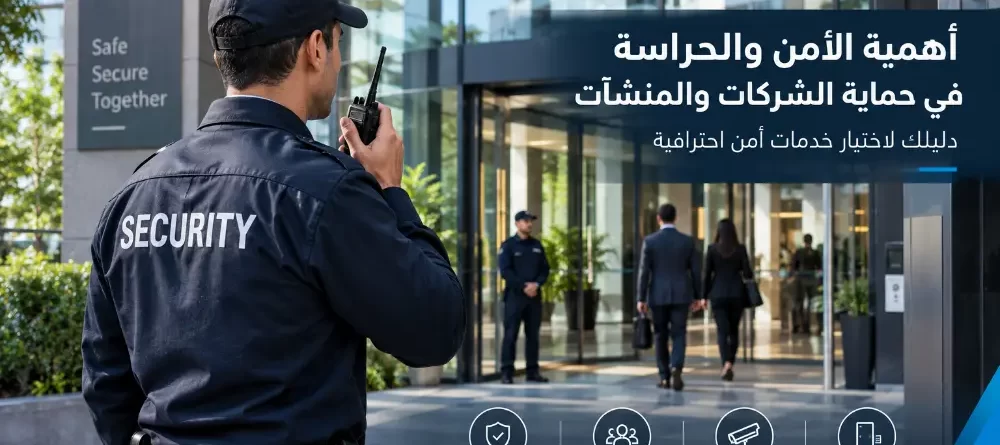
The Importance of Security and Guarding in Protecting Companies and Facilities: A Guide to Choosing Professional Security Services
In today’s business world, protecting facilities and property is no longer simply a precautionary measure. It has become an essential part of business continuity, stability, and growth. As companies expand, investments increase, and security challenges become more complex, professional security and guarding services play an important role in protecting assets, maintaining the safety of employees and visitors, and ensuring that daily operations continue without unnecessary disruption.
Whether you own a company, manage a factory, supervise an administrative building, or operate a commercial facility, an organized security system can help reduce risks and improve the response to unexpected situations. Effective security involves much more than placing guards at entrances. It includes advance planning, access control, site monitoring, and preparation for potential risks.
In this article, we explore the importance of security and guarding services, the main types of security solutions available, the key factors to consider when choosing a professional security company, and how appropriate security measures can help protect your facility and improve operational efficiency.
1. Why Have Security and Guarding Services Become Essential for Businesses?
Facilities face a variety of challenges that may affect people’s safety, property protection, and business continuity. These challenges range from unauthorized access and theft to disturbances within the workplace. Professional security services help organizations establish clear procedures to prevent risks and respond appropriately when incidents occur.
Protecting Property and Business Assets
Equipment, machinery, inventory, documents, and operational resources represent a significant part of any organization’s value. Losing these assets or allowing them to be damaged can lead to financial losses and interruptions to daily operations.
Trained security personnel can help monitor facilities, verify visitors’ identities, organize entry and exit procedures, and report unusual activities. Well-defined security procedures can also reduce the likelihood of incidents and improve the protection of company property.
Maintaining the Safety of Employees and Visitors
A safe working environment helps employees feel secure and supports stability within the organization. Security personnel contribute by managing movement throughout the facility, assisting visitors, responding to unexpected situations, and directing people to designated areas according to the facility’s rules.
Clear emergency procedures are equally important. When employees and security teams understand their responsibilities, they can respond in a more organized manner and reduce confusion during critical situations.
Reducing Operational Risks
Security incidents can interrupt business operations, delay deliveries, or disrupt customer services. A well-planned security system helps identify potential risks early, establish appropriate response procedures, and reduce the impact of incidents on daily activities.
By monitoring important areas and maintaining clear reporting channels, security teams can help management address concerns before they develop into more serious operational problems.
Building Customer and Business Partner Confidence
Customers and visitors often notice how well an organization manages its premises. Organized entrances, professional visitor handling, and clear safety procedures can strengthen a company’s professional image.
These measures demonstrate that the organization takes the protection of people and property seriously and values a safe, orderly working environment.
2. What Are the Main Types of Security and Guarding Services?
Security requirements vary according to the nature of a business, the size of its premises, the number of employees, visitor traffic, operating hours, and the risks associated with the site. Organizations should therefore select security services based on their specific needs rather than relying on the same solution for every facility.
Security for Corporate Offices and Administrative Buildings
Corporate offices and administrative buildings need organized procedures for managing employees, visitors, entrances, and exits. Security personnel may verify access permissions, direct visitors, monitor designated areas, and report activities that require management attention.
These measures help maintain order, support daily operations, and create a more organized working environment.
Security for Factories and Industrial Facilities
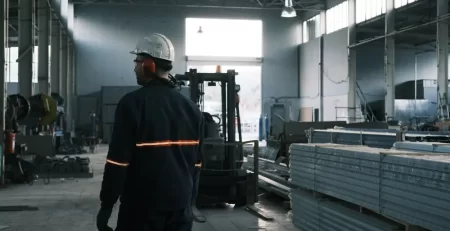
Factories often require specialized security arrangements because they may contain machinery, raw materials, warehouses, loading areas, and restricted operational zones. Appropriate procedures can include checking employee and supplier access, monitoring vehicle movement, protecting restricted areas, and coordinating with facility management and safety teams.
Security arrangements should reflect the nature of the industrial activity and comply with the safety procedures applicable to the facility.
Security for Commercial Facilities and Service Centers
Commercial facilities may receive large numbers of customers, employees, contractors, and visitors throughout the day. Managing movement, monitoring entrances, and responding to unexpected incidents are therefore important parts of their security arrangements.
Security personnel can help maintain order, guide visitors, prevent unauthorized access, and follow established procedures when problems arise.
Guarding Construction Sites and Projects
Construction sites often contain valuable equipment, tools, building materials, and vehicles. Security services can help control access for workers, contractors, suppliers, and visitors while monitoring movement throughout the site.
A suitable guarding plan can reduce risks associated with leaving equipment unattended, particularly at sites that operate for extended hours or contain several separate work areas.
Access Control and Visitor Management
Managing entry and exit is a central part of an effective security system. Procedures may include visitor registration, access verification, permission checks, and controls over entry to restricted areas.
Depending on the facility, organizations may also introduce vehicle registration and designated access routes for suppliers and contractors. These measures help management maintain a clearer understanding of who is entering the premises and which areas they are authorized to access.
3. What Is the Difference Between Basic Guarding and a Professional Security System?
Some organizations assume that assigning guards to entrances is sufficient to secure their premises. However, effective security depends on a coordinated system that goes beyond the physical presence of security personnel.
A professional approach begins with assessing the facility, identifying potential risks and vulnerable areas, and assigning responsibilities according to the site’s requirements.
The main elements of a professional security system include:
- Security planning: Establishing appropriate procedures based on the facility’s activities, layout, and potential risks.
- Training and preparation: Equipping security personnel with the skills needed to communicate professionally, manage visitors, and respond to incidents.
- Supervision and monitoring: Ensuring that assigned duties and agreed procedures are followed.
- Effective communication: Establishing clear channels for reporting incidents and coordinating with facility management.
- Emergency response procedures: Defining appropriate actions for unexpected situations and coordinating with the relevant authorities when necessary.
- Continuous evaluation: Reviewing security arrangements and updating them as the facility’s requirements change.
Combining these elements helps create a more organized security environment and makes security an integral part of facility management rather than an isolated operational task.
4. How Do You Choose the Right Security Company for Your Facility?
Selecting a security service provider is an important business decision. The quality of the service can affect the safety of people and property as well as the continuity of daily operations. Before entering into an agreement, organizations should carefully evaluate several factors.
Experience in Your Industry
Different facilities have different security requirements. A factory may need procedures that differ significantly from those required by an office building, commercial facility, or construction site.
Look for a provider that understands your type of operation and can recommend security arrangements suited to your location, working hours, and operational needs.
Training and Professionalism of Security Personnel
The training and professional conduct of security personnel are important considerations. Guards should be able to communicate effectively, follow instructions, manage visitors appropriately, and respond according to established procedures.
Organizations should also verify that the service provider meets the applicable legal and regulatory requirements for delivering security services.
Clearly Defined Duties and Responsibilities
Before signing a contract, make sure that the scope of work is clearly defined. Important details include the number of security personnel required, working hours, assigned duties, supervisory arrangements, incident reporting procedures, and each party’s responsibilities.
Clear agreements help reduce misunderstandings and establish realistic expectations for service delivery and performance.
Ability to Provide the Required Coverage
Some facilities require security only during regular business hours, while others need extended coverage or protection around the clock. The provider should be able to meet the required schedule and maintain continuity when personnel are absent or shifts change.
Discuss staffing arrangements, shift handovers, supervision, and contingency plans before the service begins.
Cost Compared with Service Quality
Budget is naturally an important factor when choosing a security provider. However, selecting a service based only on the lowest price may result in arrangements that do not meet the facility’s actual requirements.
Compare proposals according to the scope of service, training, supervision, number of guards, coverage hours, reporting procedures, and clarity of contractual obligations.
The objective is not simply to choose the least expensive offer. It is to obtain an appropriate level of protection within a carefully planned budget.
5. How Can Technology Improve Security Services?
Technology has become a valuable tool for improving security management, particularly when combined with trained personnel and clearly defined operating procedures.
Depending on the facility’s needs, useful security technologies may include:
- CCTV surveillance systems: Help monitor important areas and provide recordings that may support incident reviews, subject to applicable rules and privacy requirements.
- Access control systems: Help manage access to buildings, entrances, and restricted areas.
- Visitor management systems: Help organize visitor records and make relevant information easier to review when necessary.
- Alarm systems: Provide alerts for certain events that may require investigation or a response.
- Communication and reporting tools: Support coordination between guards, supervisors, and facility management.
Technology alone, however, cannot replace effective planning or qualified security personnel. The performance of these solutions depends on proper installation, maintenance, responsible use, clear accountability, and compliance with privacy and data protection requirements.
Combining suitable technology with trained security personnel can provide a more coordinated approach to protecting people, assets, and business operations.
6. Why Does Every Facility Need a Customized Security Plan?
One common mistake is applying identical security procedures to every location, even though facilities differ in layout, operating hours, visitor traffic, assets, and potential risks.
An effective security plan begins with an assessment of the facility’s size, entrances and exits, working hours, visitor volume, operational activities, and restricted areas. This assessment helps management identify potential vulnerabilities and determine the procedures required to address them.
The next step is to establish appropriate staffing levels, guard positions, assigned responsibilities, communication channels, escalation procedures, and emergency response arrangements.
The plan should also be reviewed periodically, particularly when the organization expands, changes the layout of its premises, introduces new operational areas, or faces different security requirements.
A customized plan helps organizations allocate resources more effectively, address security gaps, and establish a level of protection that reflects the facility’s actual needs.
7. Why Is Security an Investment in Business Continuity?
Some organizations view security and guarding services as an additional operating expense. However, security is also an important part of risk management and business continuity planning.
Appropriate security measures can help protect assets, reduce exposure to certain incidents, improve the organization of daily activities, and support a safer environment for employees and visitors.
Preparing for potential risks also helps management respond to unexpected situations in a more organized way rather than relying entirely on decisions made after an incident has occurred.
This does not mean that any security system can prevent every incident. Instead, the objective is to reduce risks to an appropriate level, improve response capabilities, and help the organization continue operating with as little disruption as reasonably possible.
Conclusion
Protecting companies, factories, administrative buildings, and commercial facilities requires more than simply assigning guards to a location. It involves careful planning, qualified personnel, clear procedures, consistent supervision, and solutions that reflect the specific needs of each site.
By choosing appropriate security and guarding services, organizations can take an important step toward protecting their property, supporting the safety of employees and visitors, and maintaining stable daily operations.
Do not wait until a security incident occurs before reviewing your facility’s protection measures. Early planning and an informed choice of security services can make a meaningful difference in safety, confidence, and operational stability.
Is Your Facility Protected at the Level It Needs?
Do not leave the security of your company, factory, or project to chance.
Protect your investments, support a safer environment for employees and customers, and identify the security measures that best suit your facility’s needs.
Review your current security arrangements, identify potential gaps, and seek qualified guidance to determine the measures appropriate for your premises and budget.
Learn More Through Alhadaba’s Official Website
For information about Alhadaba and the services presented on its official website, visit the website directly to review the available information and contact options.


Leave a Reply