How to Choose the Right Security Guarding System for Your Company: A Complete Guide to Protecting Your Facility in Egypt
Protecting companies and facilities is a priority for every business owner. Security involves more than placing a guard at the entrance. It requires a clear plan that meets the facility’s specific needs.
Choosing the right security guarding system helps reduce risks. It also protects employees, assets, and property. The process starts with understanding your facility and identifying its weak points.
This guide explains how to choose professional security guarding services. It also covers the role of security personnel and technology in protecting facilities across Egypt.
1. Identify Your Security Needs Before Signing a Contract
Before choosing a security company, assess your facility. Every business has different security requirements. Your protection plan should match your daily operations.
Consider Your Business Type and Facility Size
Office buildings have different needs from factories and warehouses. Small businesses also have different requirements from large facilities. Start by defining your business activities. Then choose a suitable level of protection.
Identify Potential Security Weak Points
Review all entrances and exits. Identify areas that require regular monitoring. Pay special attention to warehouses and equipment storage areas. This assessment helps you build a more effective security plan.
Determine the Required Security Coverage Hours
Do you need security only during business hours? Or does your facility require round-the-clock coverage? The answer depends on your operations and risk level. Some facilities may also need additional night security.
2. Understand the Real Role of Security Personnel
Security personnel play an essential role in protecting facilities. Their duties go beyond standing at entrances or welcoming visitors. They perform several important tasks throughout the day.
These tasks include monitoring entrances and exits. Security guards also verify permits and organize the movement of people and vehicles. They monitor compliance with security procedures. They must also report unusual behavior to the responsible team.
Training and Professional Qualifications
Check the qualifications of security personnel before signing a contract. Guards should have strong communication skills. They must also know how to handle different situations. Regular training helps improve their performance and emergency response.
Supervision and Performance Monitoring
Do not rely on the presence of security guards alone. Ask how the company supervises its staff. Make sure it conducts regular performance reviews. Clear reports should also document observations and security incidents.
3. Choose Security Guarding Services Based on Your Facility Type
Security services should match the nature of your facility. Choosing the right service helps organize daily operations. It also supports better risk management.
Corporate Offices and Administrative Buildings
Offices need organized access for employees and visitors. They also require entrance monitoring. Clear procedures help protect the workplace. They also make visitor movement easier to manage.
Factories and Warehouses
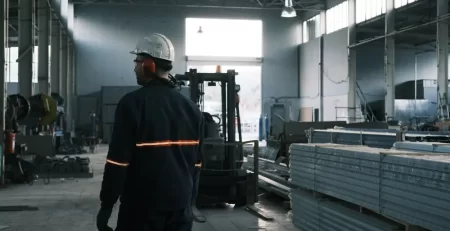
Factories and warehouses require consistent security monitoring. Duties include supervising entrances and storage areas. Guards may also organize vehicle and goods movement. Appropriate procedures help reduce the risk of loss and unauthorized activity.
Construction Projects and Building Sites
Construction sites contain valuable equipment and materials. These assets require proper protection. Access must be carefully controlled. Security personnel should also monitor critical areas. A clear guarding plan helps limit unauthorized entry.
Commercial and Service Facilities
Commercial facilities need organized customer and visitor movement. Entrances and high-traffic areas require regular monitoring. Trained security personnel help maintain order throughout the facility.
4. Combine Security Personnel with Modern Technology
Security becomes more effective when personnel work alongside technology. Security systems help monitor facilities. They also support the team in identifying problems and responding to incidents.
CCTV Surveillance Systems
CCTV cameras help monitor entrances and important areas. They also allow authorized staff to review recorded events when necessary. Camera placement should match the facility’s layout and security needs.
Access Control Systems
Access control systems help manage entry to restricted areas. They can verify access permissions before allowing entry. This makes movement tracking more organized. It also supports better control over sensitive locations.
Alarm and Communication Systems
Alarm systems help detect certain emergency situations. Communication tools allow staff to notify the responsible team. Clear procedures are essential for responding to alerts. They help employees understand the required next steps.
Reports and Regular Follow-Up
Security reports help track staff performance. They also highlight recurring observations and potential problems. Review these reports regularly. This process helps identify areas that may need improvement.
5. How Security Services Support Business Stability
Security guarding services help create a more organized working environment. They also protect assets and support business continuity. Their benefits include several important areas.
- Asset protection: Security procedures help protect equipment and property.
- Reduced potential losses: Regular monitoring helps limit certain risks.
- A safer work environment: Organized access procedures support a more secure workplace.
- Business continuity: Clear plans help facilities respond to unexpected situations.
- A professional image: Effective security shows that a company values its employees and visitors.
However, no security system can guarantee the prevention of every incident. A well-designed plan can reduce risks. It can also improve preparedness and response.
6. Important Factors to Review Before Signing a Security Contract
Review the service details carefully before signing a contract. Do not base your decision on price alone. Other factors affect service quality and suitability for your facility.
Company Experience and Previous Projects
Ask about the company’s experience in your industry. Request information about the types of facilities it has protected. This helps you assess whether its services match your requirements.
Security Personnel Qualifications
Review the company’s recruitment and training standards. Ask how guards handle emergencies and unexpected situations. Proper training and professional skills are essential for effective security services.
A Clearly Defined Scope of Work
The contract should clearly describe the required duties. These may include the number of guards, working hours, and coverage areas. It should also define responsibilities and agreed procedures.
Supervision and Reporting Procedures
Ask how the company monitors its security personnel. Make sure it has a clear reporting process. The contract should also identify who reviews observations and addresses problems.
Legal Compliance
Check whether the company meets the legal requirements for its activities. Review the relevant documents and contract terms. This helps you make a more informed decision.
Cost and Overall Value
Compare the proposed services with the total cost. Do not choose the lowest-priced offer without reviewing its details. Make sure the package covers your facility’s actual needs.
Flexibility and Service Adjustments
Your security needs may change as your business grows. Ask whether the guarding plan can be adjusted. It is also helpful to agree on how future changes will be managed.
7. Develop a Security Plan That Can Grow with Your Business
Your security plan should evolve as your business changes. New requirements may arise when you expand or add departments. Regular reviews help keep your protection strategy relevant.
Start by assessing current risks. Then review staff performance and the security systems in use. Identify areas that need improvement. You can adjust guard assignments or upgrade monitoring tools based on actual requirements.
This approach helps keep your security guarding system suitable for your facility as it grows. It also supports better use of available resources.
Conclusion: Protect Your Facility by Making the Right Choice
Choosing the right security guarding system starts with understanding your facility’s needs. It also requires risk assessment and qualified security personnel. Supervision, reporting, and supporting technologies are equally important.
Before signing a contract, compare the services offered. Review the scope of work, costs, and contract terms. Careful planning helps you select a level of protection that suits your business.
Protect Your Facility with a Security Plan Built Around Your Needs
Your facility deserves planned protection, not solutions introduced after a problem occurs. Start by assessing your security needs. Identify weak points and determine the right level of guarding for your business.
Contact us to discuss your facility’s requirements. Explore options for security guarding, access management, and regular supervision. Request a proposal that matches your needs and budget.
Request your security proposal today and make your facility’s protection a priority.