


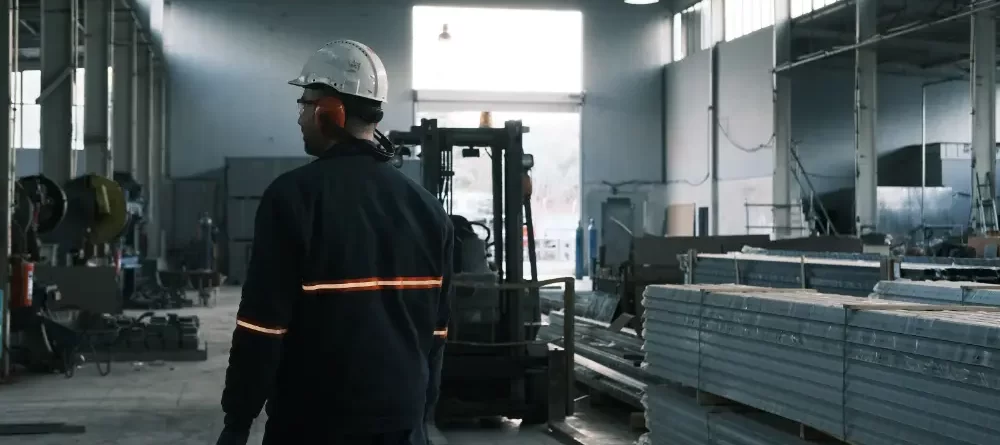
Industrial Facility Security: How to Protect Your Investments and Maintain Production Continuity
Introduction
Factories and industrial facilities represent major investments that require continuous protection. This responsibility goes beyond safeguarding machinery and raw materials; it also involves maintaining stable production operations and ensuring a safe working environment.
Any security failure within an industrial facility can lead to financial losses, production interruptions, delayed deliveries, and damage to business relationships and corporate reputation.
For this reason, professional security services are no longer simply a way to monitor facilities. They have become an important part of operational management and risk control across the industrial sector.
Why Do Factories Need Specialized Security Systems?
Industrial facilities differ significantly from administrative and commercial buildings because of their large spaces, multiple departments, and valuable equipment and materials.
The movement of employees, suppliers, transportation vehicles, and service providers also makes an organized access control system essential.
Some of the most common risks facing factories include:
- Theft of machinery, raw materials, and finished products.
- Unauthorized access to production areas.
- Loss or misuse of industrial assets.
- Poorly organized truck and vehicle movement.
- Insufficient monitoring of warehouses and loading areas.
- Delayed detection of security risks and incidents.
A specialized security plan helps industrial facilities address these challenges and reduce the possibility of operational disruptions.
Protecting Production Lines and Industrial Equipment
Factories depend on the continuous operation of machinery and production lines to maintain productivity and meet delivery schedules.
Industrial equipment and specialized machinery are among the most valuable assets requiring appropriate protection, particularly in facilities containing sensitive operational areas or expensive technical systems.
Professional security services help protect these locations by monitoring access points, organizing personnel movement, and conducting scheduled patrols according to established procedures.
Monitoring unusual activities and reporting concerns promptly can also reduce the risk of equipment damage, tampering, or unauthorized use.
These measures become particularly important in factories operating multiple shifts or around the clock, where employees, suppliers, and service providers enter the facility at different times.
Securing Warehouses, Raw Materials, and Finished Products
Warehouses play a fundamental role in industrial operations. They contain raw materials, spare parts, and finished products that support manufacturing and commercial activities.
Insufficient warehouse monitoring may result in missing inventory, discrepancies in recorded quantities, or difficulties identifying responsibility for goods movement.
To improve warehouse security, facilities should establish clear procedures covering:
- Controlling access to storage areas.
- Monitoring incoming and outgoing goods.
- Supervising loading and unloading operations.
- Verifying authorization for product transportation.
- Recording unusual activities and observations.
- Coordinating with warehouse supervisors and operational management.
These procedures improve accountability and strengthen control over valuable industrial assets.
Managing Employee, Supplier, and Truck Access
Factories receive different groups of people every day, including employees, visitors, suppliers, and transportation drivers. This makes access management one of the most important elements of industrial security.
An effective access control system helps verify identities and determine which areas individuals are authorized to enter according to their responsibilities and approved permissions.
For transportation vehicles, facilities should organize traffic movement, designate waiting and loading areas, and verify the required documents and authorizations according to internal procedures.
These arrangements do more than reduce security risks. They also help prevent congestion and improve movement efficiency throughout the facility.
The Role of Security Patrols in Industrial Protection
Large industrial facilities require continuous monitoring of different areas, particularly external boundaries, secondary entrances, storage zones, and locations with limited daily activity.
Regular security patrols help identify unusual changes, unsecured doors, damaged protective equipment, and potential unauthorized access attempts.
Patrol operations should follow a structured plan defining inspection routes, schedules, reporting procedures, and communication with supervisors.
Effective supervision also helps ensure that security personnel complete their assigned responsibilities and follow the facility’s established security policies.
Integrating Security with Safety and Fire Protection Systems
Security and workplace safety are closely connected in industrial environments. Protecting a facility also means addressing risks that may threaten employees, property, and production operations.
Industrial facilities should maintain appropriate fire detection and firefighting systems, ensure that emergency exits remain accessible, establish evacuation routes, and communicate clear incident reporting procedures.
Security personnel should understand the required actions when identifying a fire or emergency, including promptly notifying responsible management and relevant emergency authorities.
Specialized firefighting and technical emergency response activities should be performed by appropriately qualified personnel in accordance with established safety procedures.
How to Choose the Right Security Company for Your Factory
Selecting a suitable security provider requires a careful assessment of the facility’s operational requirements and potential risks.
Important evaluation criteria include:
- Experience in industrial and factory security.
- The qualifications and training of security personnel.
- The ability to organize shifts and maintain continuous coverage.
- Effective supervision and monitoring procedures.
- Experience managing entrances, warehouses, and loading areas.
- Emergency preparedness and response procedures.
- Clear incident reports and operational observations.
The security plan should be designed around the factory’s size, workforce, production activities, and specific risk factors rather than relying on generic solutions that may not meet every facility’s requirements.
Conclusion
Industrial facility security is an important investment in protecting business assets and maintaining production stability.
An organized security operation helps monitor machinery and warehouses, regulate employee and supplier access, reduce unauthorized entry, and improve preparedness for unexpected incidents.
As industrial operations expand and operational challenges become more complex, professional security services become increasingly important in maintaining a controlled and stable working environment.
Protect Your Industrial Facility and Maintain Business Continuity
Do not allow weaknesses in security procedures to put your investments or production operations at risk.
Contact Al-Hadaba Security & Guarding to explore professional security solutions tailored to your factory and operational requirements. From warehouse and equipment protection to access control and continuous security monitoring, take the first step toward a reliable protection system that supports business stability and safeguards your investments.
Contact Al-Hadaba Security & Guarding


Leave a Reply